In this workshop, we will focus on the objects, methods, and implications of inquiries into the sonic archive, in the case of this workshop: the Dutch colonial archive. In the lectures, we will delve into the question of how we can identify and interpret sound in and from media, textual, and visual archives. What are methods for accessing not only historical sounds, but also historical experiences of sound? Sound, by its nature, is ephemeral, but it leaves behind traces—in descriptions, instruments, acoustic environments, and even in bodily practices—that researchers can use to reconstruct and interpret. Written records contain sonic cues—descriptions of voices, chants, noise, silence. Digital technologies play a major role in accessing sonic traces, from acoustic modeling of ancient spaces (such as amphitheaters or urbansoundscapes) to the sonification of data and reconstructions of lost performances. Archaeological and material methods are also crucial: objects like bells, horns, or architecture can be studied for their acoustic properties, offering insights into how sound shaped rituals, authority, or daily life. But beyond the material, accessing the experience of historical sound also requires attending to how sound was felt, embodied, and interpreted by historical actors, through, for example, reconstructing listening practices, social hierarchies (who was allowed to speak, sing, or be heard), and emotional responses.
Ultimately, these considerations all tie in to the question of how a focus on sound can allow us to uncover previously hidden perspectives in the context of the Dutch colonial archive. Rethinking the imperial archive as a sonic space reveals new perspectives on dynamics of power, voice, and silencing. Sound offers a critical avenue for accessing marginalized perspectives—those of the colonized, enslaved, or otherwise subaltern—whose presence may be faint or distorted in traditional documentary forms, yet still resonates through traces of voice, music, noise, or regulated silence. By attending to sound, we shift focus from what was merely recorded to what was heard, performed, or suppressed. This includes listening for the tonalities of imperial authority—church bells, military drums, or the linguistic imposition of European languages—but also for counter-sonic practices: Indigenous music, creole languages, shouted protests, or the strategic silences of the oppressed.
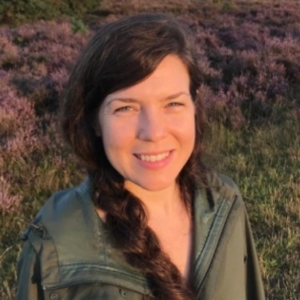
Emily Clark has a background in ethnomusicology and archival studies and her work centers on music and sound, media archives and Dutch colonial history. Emily currently leads the project “Audibilities of the Colonial Past: Dutch Sound Archives as History, Heritage and Data,” funded by the Dutch Research Council (NWO), which investigates archives of sound recordings in the Netherlands from the perspective of coloniality/modernity.
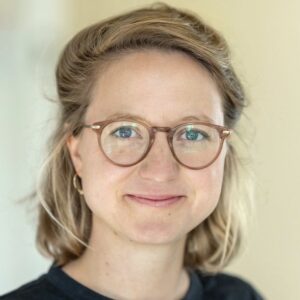
Renée Vulto is interested in the role of sound (ranging from silence to noise) in the past, especially in situations of conflict and violence. Renée combines interdisciplinary methods and perspectives to aproach a broad range of sources (texts, music, objects, practices), with current research focusing on Dutch colonial sound politics in the Caribbean, for which Renée has developed a new method for digitally ‘mining’ traces of sound in a variety of archival materials.
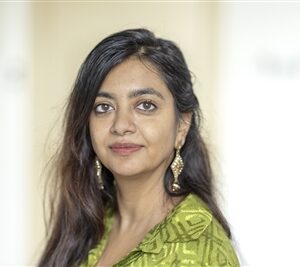
Jaswina Elawi is a scientist with a strong social engagement, affiliated with Utrecht University as Assistant Professor at the Faculty of Humanities, Department of Media and Culture. Jaswina’s areas of expertise include cultural sociology, globalization, digital culture, multicultural societies, social participation, public participation, resilience, poverty and social inequality, bonded labour (indentured labour) in colonial society and its effects on contemporary society.
Register (0/17 spaces left)
This course is fully booked. For a spot on the waiting list, contact [email protected]