This year’s UUCMS Yearly Seminar marks the launch of our new thematic focus Religion, Politics and Power. With Death and Dying in the Premodern World as its inaugural topic, the seminar invites premodern scholars to reflect on one of the most pervasive yet challenging dimensions of premodern life. In premodern societies, death was never a purely private or biological event. It was shaped, mediated, and made meaningful through religious beliefs, ritual practices, law, political authority, and social hierarchy. From responses to illness, ars moriendi treatises, and funerary sermons to burial practices and commemorative rituals, judicial executions, and communications with the afterlive, death functioned as a site where power was negotiated. At the same time, dying raised questions about salvation. This links individual experiences to larger structures of belief and governance.
Recent scholarship has emphasized the need to move beyond monolithic narratives of premodern attitudes to death. Taking into account interdisciplinary insights from modern death and grief studies, scholars have shown how the meaning of dying is always historically contingent, socially stratified, and entangled with (institutional) authority. In the premodern period, religious prescriptions coexisted with local practices, normative discourses with lived experience, and political decisions with personal anxiety and hope. Death thus offers us a lens through which to examine the intersections of religion, politics, and power in the premodern world. The aim of this Yearly Seminar is to open up a multidisciplinary conversation on how death and dying were framed, regulated, represented and experienced in the premodern world. Particular attention will be paid to the ways in which religious beliefs influenced dying, how medicine sought to control death, and how texts, images, rituals, and material culture mediated encounters with death. By bringing together different sources, methodologies, and disciplines, the seminar aims to rethink death as an important social and cultural process embedded in structures of power.
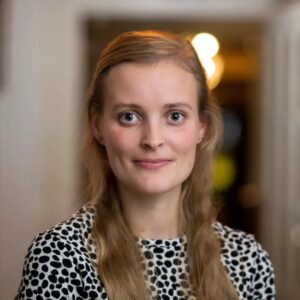
The Seminar will consists of two panel sessions with both three speakers each. Confirmed speakers are: dr. Janna Coomans (UU), dr. Lola Digard (LU/UU), dr. Carlotta Posth (Universität Würzburg), prof. dr. Veerle Fraeters (UU).
Registration
To obtain 1 ECTS, participants are required to complete the preparatory readings (to be provided), attend the full seminar day, and submit a short reflective paper (ca. 1.000 words). The paper should reflect on the two panels and the keynote lecture, identify the main insights gained from the seminar, and, where possible, relate these insights to the participant’s own research interests or materials. To register for credits, please send an e-mail to both [email protected] and [email protected] before 31 March.